
Reliable workforce support starts with clear roles, realistic schedules and appropriate supervision. Here is how to prepare a practical staffing brief for your operation or project.
A reliable workforce plan starts with the work to be done, not simply a headcount. Hospitality, construction and MEP teams face different operating conditions, but each benefits from clear roles, suitable skills and organised supervision. Defining these requirements before people arrive helps the requesting organisation and workforce provider discuss what support is actually needed.
Define the tasks and expected outcomes
List the duties, locations and priorities for each role. Hospitality requirements may involve housekeeping, operational assistance or guest-facing support, depending on the agreed role. Construction teams may need site support, while mechanical, electrical and plumbing activities can require distinct task-specific skills. Avoid grouping very different responsibilities under a single general description.
Explain the reporting line, expected work areas and arrangements for assigning tasks. Where work is restricted or specialist, specify the competence and authorisation required. Do not assume that a person available for one type of support is suitable for every duty on the premises. A practical staffing brief makes these distinctions visible.
Forecast demand around real schedules
Consider operating hours, events, project stages and likely changes in demand. A hospitality operation may have busy service periods, while construction and MEP teams need to coordinate with project sequencing and the availability of work areas. Staff cannot work effectively if preceding tasks are incomplete or access has not been arranged.
Identify dependencies before deciding numbers and start dates. Plan how schedule changes and absences will be communicated. A reasonable contingency plan can include suitable handover arrangements and an agreed process for discussing revised needs. Avoid treating the first staffing request as fixed when the work itself may change.
Match skills to the role and environment
Consider the complexity of the work, required experience and supervision available. A new joiner may need time to understand the location and working methods before taking on unfamiliar duties. Verify relevant qualifications or authorisations through the appropriate process when the role requires them; do not rely on a job title alone.
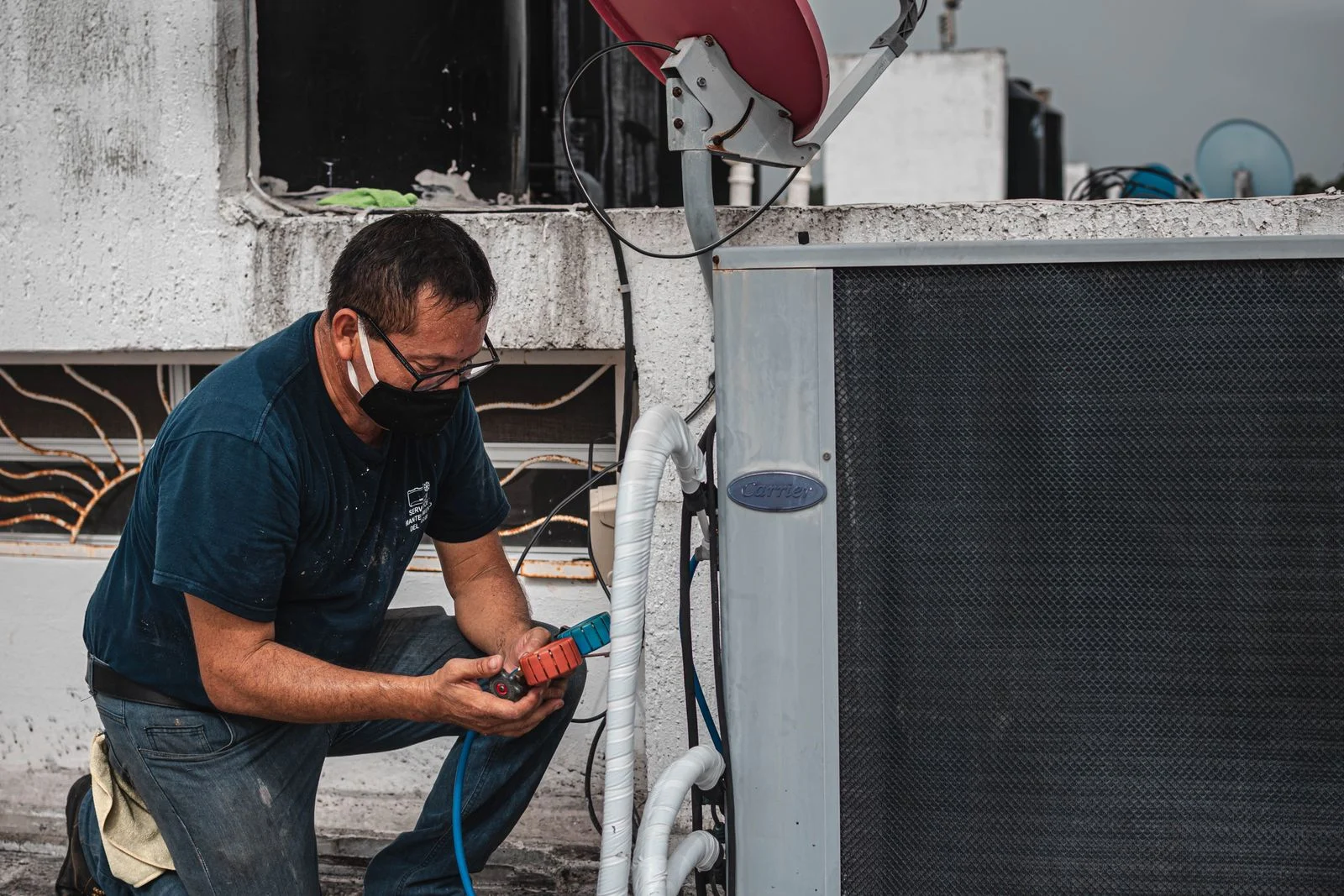
The environment also affects suitability. Guest-facing work involves communication and service expectations. Construction and MEP tasks may involve moving equipment, electrical hazards, work at height or other risks depending on the activity. Workers should not be assigned beyond their training, experience or authority. Clarify how concerns and uncertainty are reported.
Prepare induction and safety arrangements
Before work starts, provide an induction appropriate to the site and assigned role. Cover emergency arrangements, access restrictions, reporting channels and task-specific hazards. Explain any required protective equipment and the procedures the team must follow. The responsible supervisor should check understanding rather than assuming that an introductory briefing is enough.
Higher-risk tasks need planning and oversight by the appropriate competent people. If work conditions change, pause and review the arrangements. Hospitality duties also need relevant hygiene and safe-handling instructions. Requirements vary by task and location; follow applicable site procedures and obtain professional guidance where needed.
Establish one clear communication chain
Identify who gives daily instructions, approves changes and checks completion. Workers should know whether they report to a team leader, site supervisor or facilities contact. Conflicting requests from several people can lead to missed priorities or assignments outside the agreed role.
Keep briefings focused on work areas, timing, dependencies and changes. Hospitality handovers can identify service priorities and equipment issues. Construction and MEP coordination should address trade overlaps and access constraints. Record important updates so verbal instructions are not the only source of information and incoming staff can follow the same plan.
Check equipment, access and readiness
Confirm which organisation provides the tools, equipment and protective items needed for the agreed work. Make sure required access permissions and practical arrangements are ready before the team arrives. Clarify where workers report, how tasks are allocated and how breaks or shift handovers are coordinated.
A staffing shortfall and a readiness problem are different issues. More people will not resolve a missing tool, an unavailable work area or unclear supervision. Review these prerequisites with the responsible contact so staffing decisions are based on productive work rather than waiting time or assumptions.
Review outcomes and adjust thoughtfully
Observe completion, attendance, rework, safety concerns and feedback. If results fall short, identify whether the cause is role fit, instructions, sequencing, equipment or insufficient staffing. Revise the relevant part of the plan rather than automatically increasing headcount. Communicate changes clearly and confirm the updated responsibilities.
Reliable manpower support is an ongoing coordination process. Define the work, prepare the site, provide suitable supervision and review how the plan performs. DIYA ALDAR lists workforce support for hotels, hospitality, construction and MEP companies; include your sector, duties, schedule and access requirements when starting a manpower enquiry.