Create a clear office-cleaning checklist that covers shared spaces, sensitive equipment and cleaning times without disrupting daily work.
A practical office cleaning plan should support the way people use the workplace. Reception areas, desks, meeting rooms, kitchens and washrooms all have different demands, and a single vague instruction to clean everything can leave important tasks undefined. Establishing priorities and a written scope makes it easier for the workplace contact and cleaning team to agree expectations and review the result.
Map the spaces and their use
Start by listing every area included in the service. Note which rooms are regularly occupied, which are shared with other tenants and which have restricted access. Reception areas may require attention before visitors arrive, while kitchens and meeting rooms may need work after busy periods. Identify storage, waste collection points and any spaces that should remain untouched.
Use this walkthrough to clarify responsibility. In a managed building, common corridors or shared washrooms may be covered separately. Confirm what your office service includes so gaps and duplicated work do not develop. A simple area-by-area checklist is easier to follow than a broad promise of a complete clean.
Separate routine tasks from detailed work
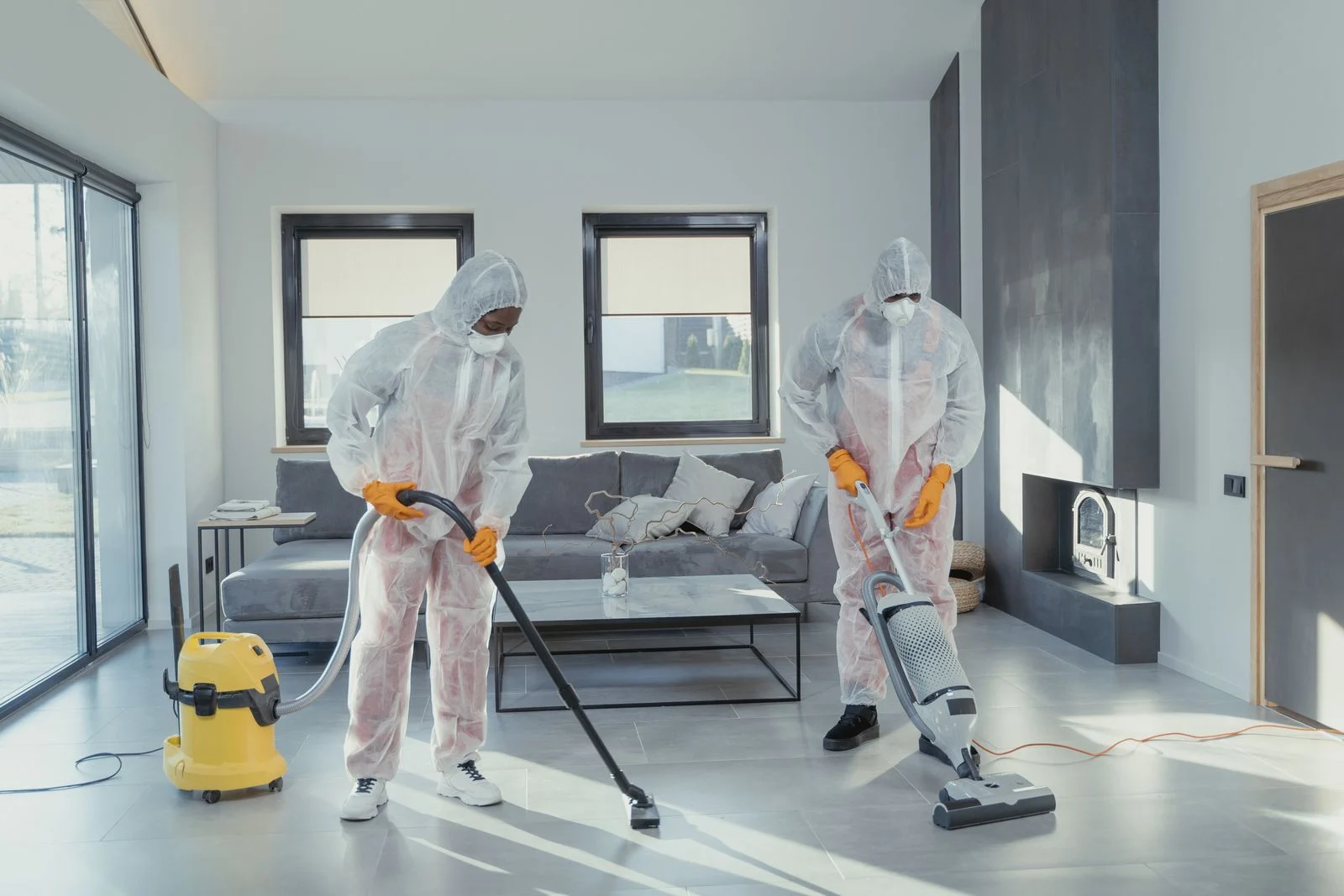
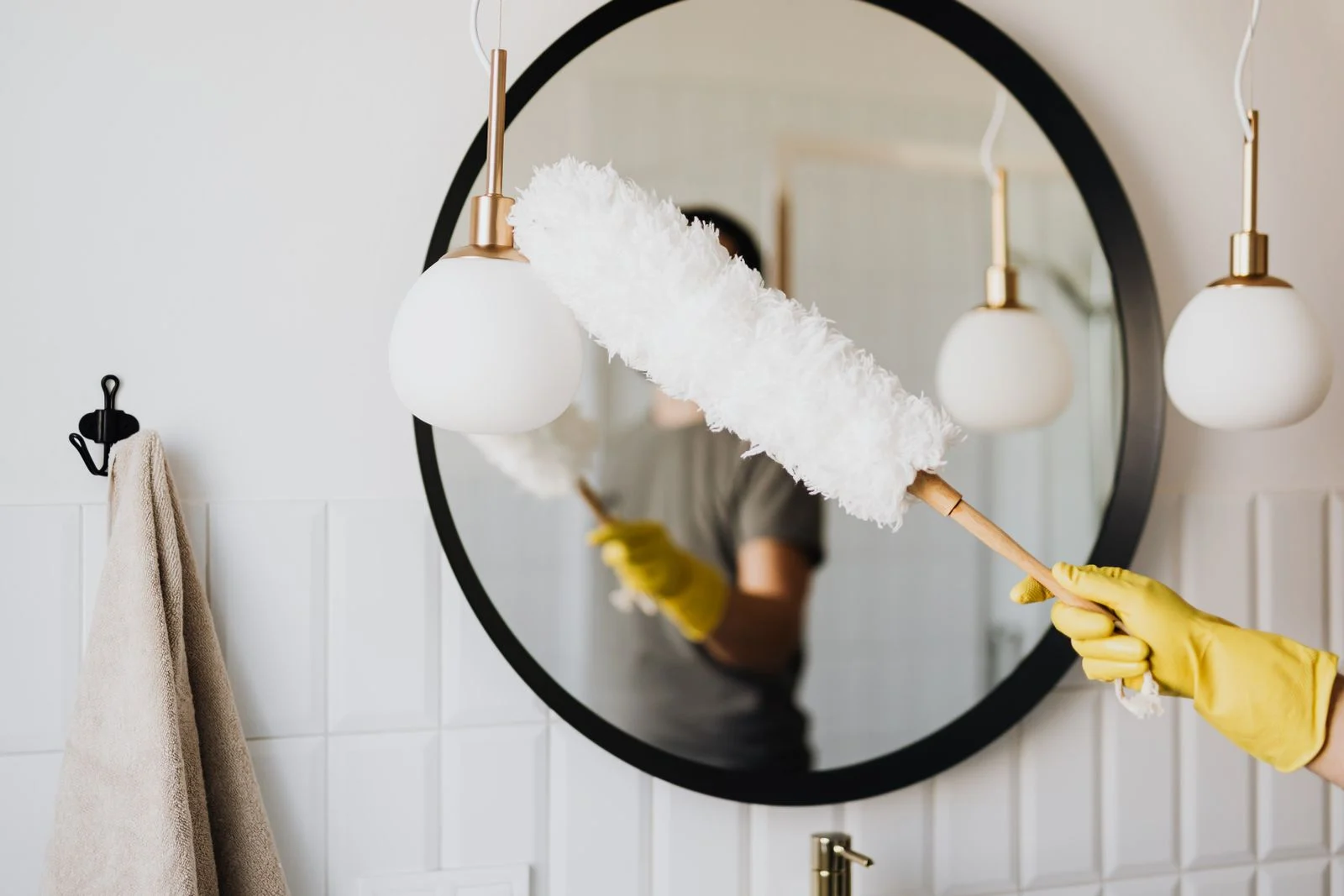
Routine work might include suitable floor cleaning, accessible surface dusting, waste collection and care of shared kitchens and washrooms. Periodic tasks may include more detailed attention to edges, fixtures and difficult-to-reach areas. Upholstery care, carpet treatment, internal windows and appliance cleaning should be discussed explicitly rather than assumed.
Match the frequency to actual use and the agreed standard. A heavily used pantry has different needs from a rarely used meeting room. Review the plan when occupancy, working hours or office layout changes. If buildup persists in one area, adjust the scope or timing before simply repeating the same checklist.
Agree how shared touchpoints are handled
Door handles, switches and other shared surfaces can be overlooked when attention goes mainly to floors. Include suitable cleaning of relevant touchpoints in the agreed scope. Where disinfection is required, confirm that products and methods are appropriate for the surface and follow their instructions. A quick wipe with an unsuitable product should not be presented as a guaranteed health outcome.
Cleaning and disinfection are not interchangeable terms. Requirements depend on the premises and activities involved. If the workplace has specialist hygiene obligations or a contamination concern, obtain appropriate guidance and do not treat it as an ordinary office-cleaning task.
Protect equipment, documents and finishes
Clarify whether cleaners may touch desks, monitors or other equipment. Staff should secure confidential documents and valuables before the agreed visit. Computers, cables and office electronics need methods consistent with their care instructions; liquids should not be applied casually around live equipment.
Identify delicate surfaces such as natural stone, coated timber and specialist flooring. Ask how the cleaning team will avoid incompatible products and abrasive methods. Stronger chemicals are not automatically more effective, and a method suitable for one floor may damage another. Share care information supplied by the landlord or manufacturer when available.
Schedule cleaning with safety and access in mind
Agree arrival times, access arrangements and the person responsible for opening restricted areas. Consider whether noisy tasks should take place outside calls or meetings. Floors may need time to dry, so coordinate wet work with routes people use and make sure suitable warnings are in place.
Good access planning also covers keys, entry permissions and alarm arrangements. Keep security instructions with the designated workplace contact rather than relying on informal messages between staff. Do not allow a cleaning schedule to create unsafe access to elevated areas or require improvised equipment.
Include waste and kitchen responsibilities
Decide which bins are emptied, where waste is taken and how any workplace sorting arrangement is followed. Hazardous or specialist waste should not be included in ordinary collection without appropriate arrangements. Make sure the office team knows what belongs in each collection stream.
For kitchens, distinguish between cleaning agreed surfaces and managing employees' food or personal items. Confirm whether appliance interiors are included and what preparation is needed. Consistent expectations prevent avoidable disputes about items being moved or discarded and help shared areas stay usable between visits.
Review outcomes with one clear contact
Nominate someone to communicate priorities, raise missed tasks and approve changes. Use the agreed checklist for review and record recurring issues. If a task is not achievable with the allocated access or time, discuss the cause and revise the plan rather than letting it remain incomplete.
A workplace cleaning plan should adapt as the office changes. Start with clear responsibilities, suitable methods and realistic timing, then refine the service through feedback. DIYA ALDAR lists office and commercial cleaning among its services; share your premises, priorities and access requirements when requesting a quote.