Understand the difference between routine upkeep and a detailed clean, then choose a scope and schedule suited to your home or workplace.
Regular cleaning and deep cleaning serve different purposes. Routine visits help maintain everyday order and cleanliness, while a detailed clean addresses agreed areas and buildup that everyday tasks may not reach. The right choice depends on a property's condition, how it is used and the outcome you expect. The service name alone is not enough: a clear task list matters more than a label.
Understand what each service includes
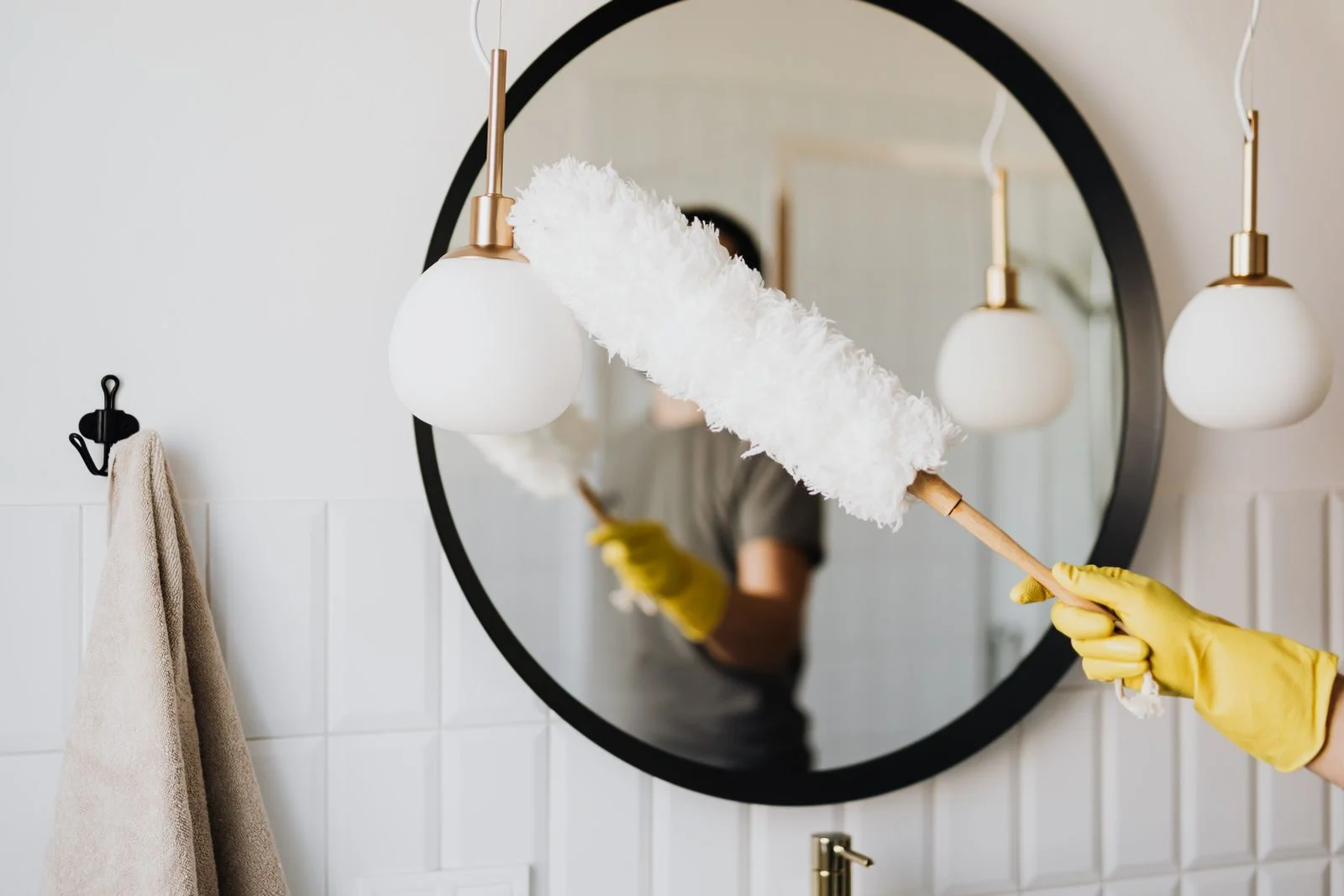
Regular cleaning may include dusting accessible surfaces, cleaning floors and maintaining kitchens or bathrooms, depending on the agreed scope. Deep cleaning generally involves more detailed attention to specific areas, fixtures, edges or accumulated residue. However, providers can define these services differently, and difficult stains or specialist surfaces may require separate treatment.
Before booking, compare written inclusions and exclusions. Ask whether appliance interiors, interior windows, furniture movement or hard-to-reach areas are included. These tasks may need more time, different equipment or separate access arrangements. An agreed checklist avoids assuming that a detailed clean covers every possible task.
Assess how the property is used
Think about occupancy, daily routines and the areas that receive most traffic. A home with children, pets or frequent guests can have different priorities from a lightly used apartment. Shared offices and commercial spaces may need particular attention to entrances, kitchens, washrooms and shared touchpoints.
Make a room-by-room list of what needs attention. Note which areas are already maintained and which have been neglected. A property that has been vacant or recently renovated may need a detailed initial visit, but renovation debris or hazardous residues can fall outside ordinary cleaning. Discuss the condition before agreeing a service.
Look at the current condition, not just the calendar
Visible buildup, persistent residue and a long gap since detailed attention can indicate a need for deep cleaning. An already maintained space may benefit more from a suitable routine service. Look at fixtures, accessible corners, grout and areas around safely movable items, rather than judging only the centre of a room.
Some marks cannot be removed safely by ordinary cleaning. Material damage, embedded staining and persistent odours may need separate assessment. Suspected mould, pest activity or water damage should not be treated as a simple housekeeping problem. Seek appropriate guidance about the cause and the required treatment.
Choose frequency around actual needs
There is no universal cleaning schedule for every property. Use, occupancy, dust, materials and the expected standard all affect the plan. Identify tasks that need frequent attention and those that can be done periodically. After a detailed clean, routine visits can help maintain the agreed condition.
Review frequency when circumstances change. More visitors, a new office layout or a change in occupancy may affect cleaning priorities. If the same area repeatedly falls short, check whether the scope and available time match its use. Adding more visits without addressing the underlying gap may not solve the problem.
Discuss materials and access in advance
Natural stone, delicate finishes, electronics and some coatings can be damaged by unsuitable products or methods. Share available care instructions and ask how surfaces will be protected. Strong chemicals or vigorous scrubbing do not automatically produce a better result. Suitable methods matter as much as effort.
Confirm how access will work and whether furniture, food, personal belongings or documents should be moved beforehand. Tell the provider about restricted areas and items that should not be touched. In a workplace or managed property, coordinate entry through the responsible contact and agree how occupied spaces will be handled.
Keep safety part of the service plan
Cleaning involves wet floors, equipment, chemical handling and sometimes difficult access. Provide suitable access and keep children or pets away from active work where appropriate. Follow product instructions and never mix cleaning chemicals: combinations can create dangerous reactions or fumes. Ventilation requirements depend on the products and task.
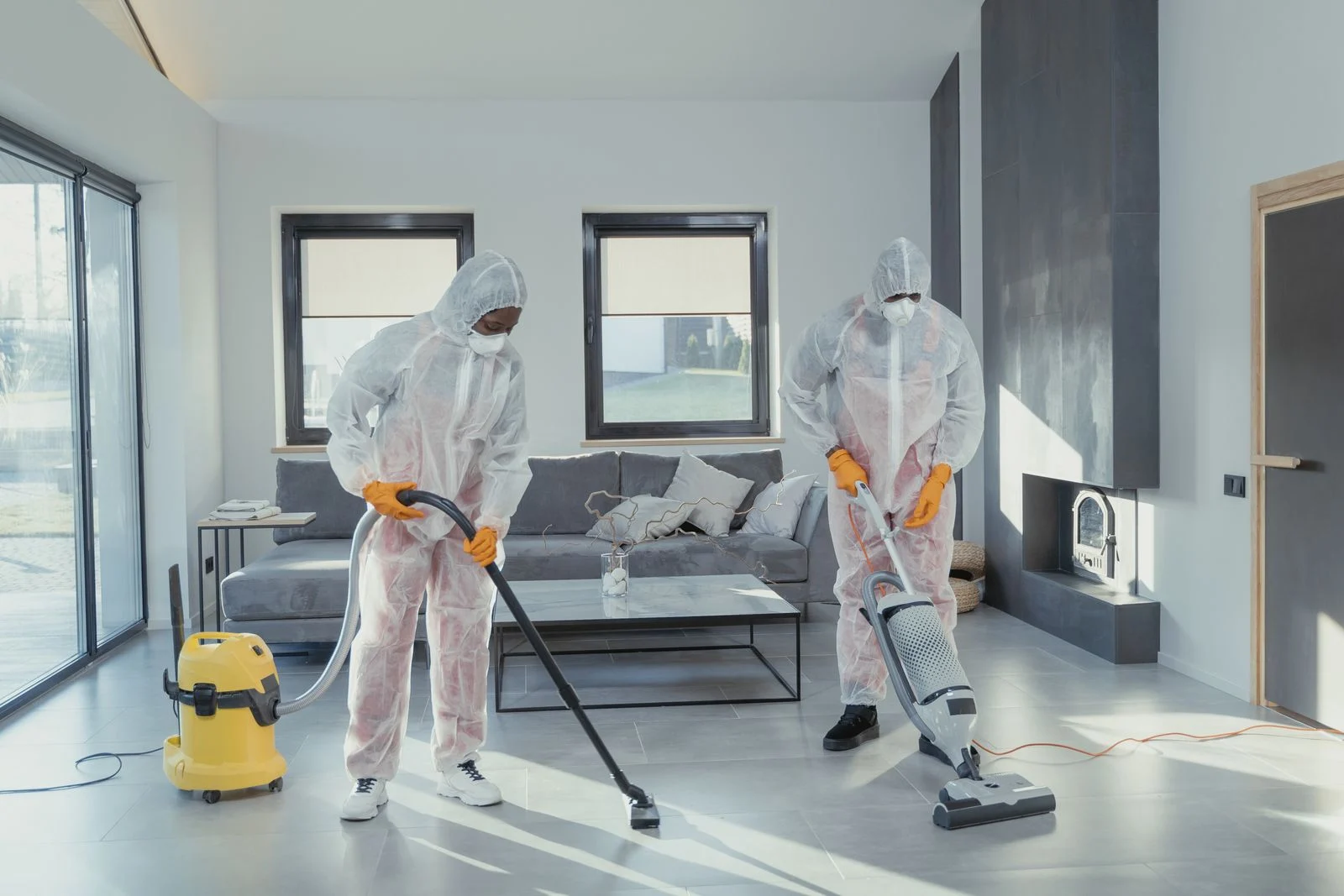
High windows, specialist floor restoration and hazardous contamination should not be approached as routine tasks. They can require trained workers and suitable controls. If the scope or risks are uncertain, ask for assessment before work starts rather than expecting a standard cleaner to improvise.
Agree how completion will be reviewed
Use the task list to check the result and communicate anything missed promptly. Record limitations identified during the visit, such as a stain that needs a separate treatment or an inaccessible surface. Review recurring priorities before the next service so the plan remains useful.
Deep cleaning can provide a more detailed reset, while regular cleaning supports day-to-day upkeep. Often the practical approach combines both at times suited to the property. DIYA ALDAR lists residential, commercial, office and deep cleaning services; explain your space and its current condition when requesting the most suitable scope.