A structured approach to inspections, repairs and maintenance planning helps property owners address small problems before they become disruptive. Here is what to check, record and discuss with your maintenance provider.
A well-maintained property is not simply one that looks clean. Reliable maintenance also considers the condition of plumbing, electrical installations, air conditioning, finishes and frequently used spaces. For owners and facilities teams, a clear checklist helps separate routine upkeep from issues that need a qualified specialist. This guide offers a practical starting point, not a substitute for a professional inspection or the instructions supplied with your equipment.
Start with a property walkthrough
Walk through the property room by room and record what you can safely observe. Look for new stains, damaged finishes, loose fittings, unusual sounds and changes reported by occupants. Include kitchens, bathrooms, corridors, entrances and accessible service areas. Ask users where problems occur and whether they are constant or intermittent. A dated photograph and a short description often make a maintenance request clearer than a general complaint.
Do not remove electrical covers, climb onto roofs or enter restricted spaces as part of a casual inspection. If the property has specialist equipment or managed common areas, agree access and responsibilities with the relevant facilities contact. Mark anything you could not inspect rather than assuming it is in good condition.
Check plumbing and signs of moisture
Observe taps, visible pipes, toilets and drainage points for leaks or repeated blockages. A dripping fitting may seem minor, but persistent moisture can affect nearby cabinetry, grout and wall finishes. Pay attention to musty odours and damp patches that reappear after cleaning. Note where and when the issue develops, including whether it follows use of a particular fixture.
An active leak deserves prompt attention. If it is safe and you know the correct isolation point, stop the water supply and contact a qualified professional. Avoid opening concealed plumbing or applying temporary coatings over damp areas before the underlying cause has been assessed. Painting over a stain rarely resolves an ongoing moisture problem.
Leave electrical diagnosis to qualified people
Record flickering lights, damaged sockets, repeated tripping, unusual heat or burning smells. Keep damaged equipment out of use and arrange a suitable inspection. Repeatedly resetting a protective device without finding the cause is not a maintenance solution. Do not touch exposed wiring or attempt live electrical repairs.
For commercial properties, identify who is responsible for approving electrical work and arranging safe isolation. Share the symptoms with the technician, including which equipment was operating when the problem occurred. This information can support diagnosis without asking occupants to investigate a hazardous installation themselves.
Review air conditioning and ventilation
Check whether occupied areas are cooling as expected and whether air outlets are obstructed. Uneven temperatures, reduced airflow, unexplained water near a unit or persistent unusual noises should be recorded. Follow the equipment manual for any owner-permitted filter care, and leave internal servicing, refrigerant work and electrical checks to appropriate technicians.
Keep a record of previous servicing and reported faults. If an issue returns, provide that history rather than treating every visit as an unrelated repair. A technician may need to consider drainage, airflow and equipment condition together, not just the temperature setting.
Inspect painting, tiles and civil finishes
Look for cracked tiles, loose edges, damaged grout and peeling paint, especially in wet or high-traffic areas. Consider whether damage creates a trip hazard or exposes a surface to moisture. The right remedy depends on the cause: movement, poor adhesion, moisture and ordinary wear require different approaches.
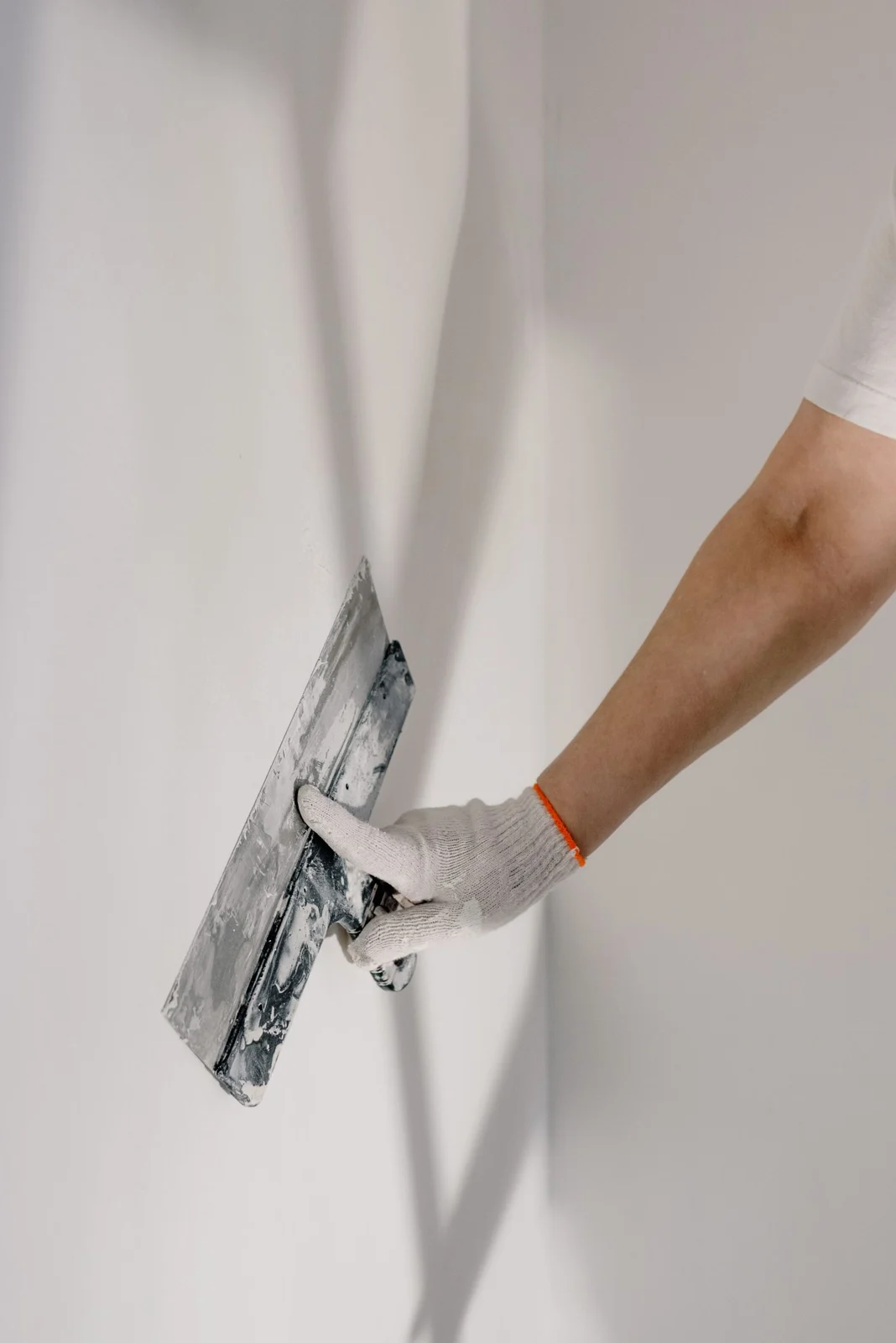
Before repainting, agree the preparation work, material suitability and protection of nearby surfaces. For tile repairs, discuss matching, access and the condition of the underlying surface. Cosmetic work should follow any necessary investigation of leakage or movement, otherwise the visible problem may return.
Prioritise and document the work
Organise findings into urgent safety concerns, active damage and planned upkeep. An exposed electrical hazard should not sit in the same queue as a small paint touch-up. Make the responsible person, proposed next step and review date clear for each item. Retain estimates, approvals and completion notes in one maintenance record.
When requesting a quote, share the location, photographs, access restrictions and desired scope. Ask what is included, what needs assessment and what might require separate approval. After work, check the agreed outcome and record any follow-up. DIYA ALDAR's listed building maintenance services include civil works, tile fixing, painting, plumbing, electrical work and AC maintenance; use the Contact Us page to discuss the work your property needs.